The NYC Commuter's Guide to Montclair, NJ

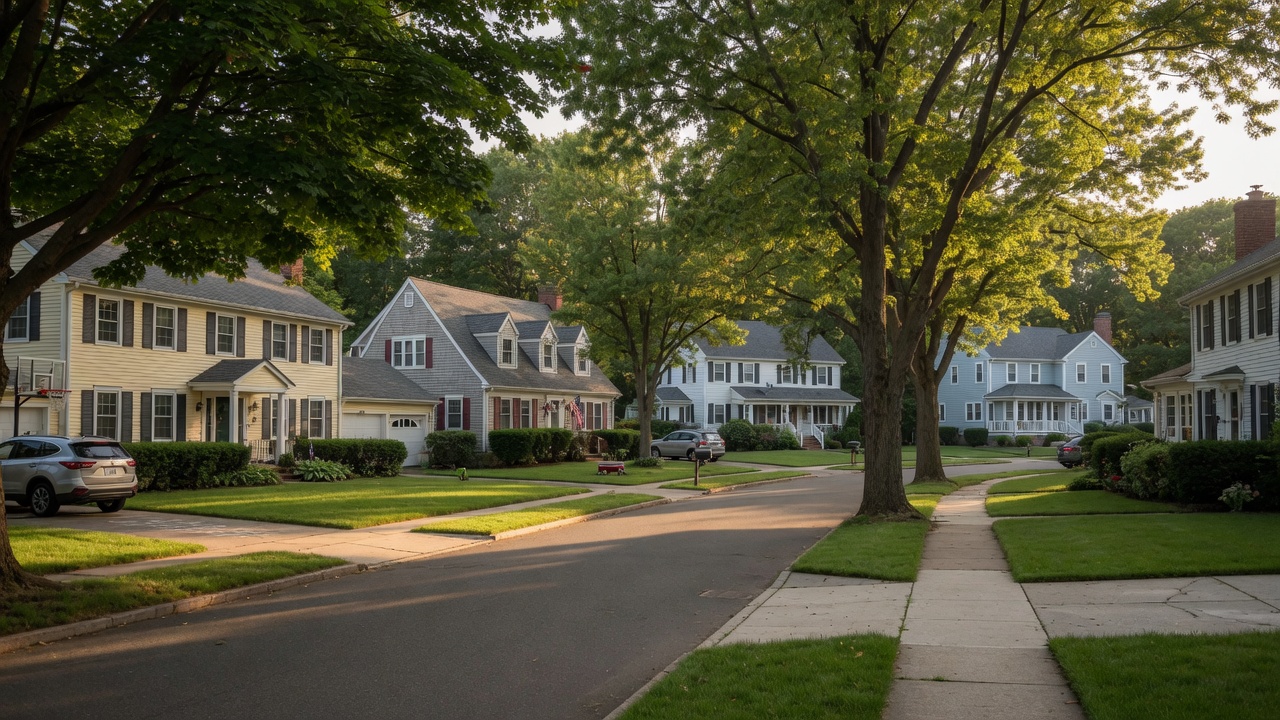
If you're thinking about moving to Montclair NJ from NYC, the commute is probably one of your biggest questions — and rightfully so. A smooth daily commute can make or break the suburban experience. The good news: Montclair is one of the most commute-friendly towns in Northern New Jersey, with six NJ Transit train stations, multiple bus options, and flexible alternatives for drivers. Here's everything you need to know.
Montclair's Six Train Stations
Montclair has six NJ Transit stations on the Montclair-Boonton Line — more than almost any other suburb in the metro area. This is a huge advantage because it means you can choose a station (and a neighborhood) that fits your commute style:
- Bay Street Station: Near downtown Montclair, with frequent service and direct weekday routes to Penn Station. This is the most popular station for daily commuters — it's walkable to restaurants, shops, and several residential neighborhoods.
- Walnut Street Station: In the heart of a trendy strip with restaurants, a brewery, and the weekly farmers market. A great option if you live in the south-central part of town.
- Watchung Avenue Station: A historic platform near charming boutiques, bakeries, and the Watchung Plaza shopping district. Popular with residents of the Watchung and central Montclair neighborhoods.
- Upper Montclair Station: Serving the Bellevue Avenue shopping district and the estate neighborhoods of Upper Montclair. Quieter and more suburban-feeling.
- Mountain Avenue Station: A leafy, residential platform in the northern part of town. Less crowded, with a neighborhood feel.
- Montclair Heights Station: At the northern edge of town, near Montclair State University. This station has an affordable parking lot ($50/month for a permit), making it popular with residents who drive to the train.
The six-station setup means that no matter where you live in Montclair, you're likely within a short drive or walk to a train platform. It also gives you flexibility — if one station is crowded or delayed, you can try another.
Commute Times to Penn Station
Here's what the daily commute actually looks like:
- Express train: Approximately 35–45 minutes from Bay Street or Walnut Street to Penn Station. These are the trains that commuters love — fewer stops, faster ride, and you arrive with enough time to grab coffee before work.
- Local train: Approximately 45–55 minutes, depending on which station you board and how many stops are made along the way. Still manageable, and you get a seat.
- Midtown Direct service: On weekday mornings, some trains offer Midtown Direct service, which takes you straight to 34th Street-Herald Square without transferring at Penn Station. This is a game-changer for commuters who work in Midtown.
The key advantage of NJ Transit from Montclair versus, say, the NYC subway: you get a seat. Most Montclair commuters settle in with a laptop, book, or podcast and use the time productively. It's a fundamentally different commute experience than standing on a crowded F train.
NJ Transit Monthly Pass and Costs
A monthly NJ Transit pass from Montclair to Penn Station runs approximately $300–$400, depending on your departure station. That's more than the NYC MetroCard OMNY cap of $132/month, but consider what you're getting:
- A guaranteed seat on every ride
- A more predictable commute time (no unexpected subway delays)
- Wi-Fi on most trains for working during the commute
- Time to decompress, read, or get work done — 45 minutes of usable time instead of 45 minutes of stress
Many Montclair residents consider the additional transit cost well worth it for the improved quality of life.
Bus Options: DeCamp and NJ Transit
Not everyone wants to drive to the train station, and not every Montclair address is close to one. That's where buses come in:
- DeCamp Bus Lines: Runs direct service from Bloomfield Avenue in Montclair to the Port Authority Bus Terminal in Midtown Manhattan. Commute time: approximately 40–50 minutes depending on traffic. Buses run frequently during morning rush hour.
- NJ Transit Bus: Several NJ Transit bus routes serve Montclair, connecting to Newark, Hoboken, and other transit hubs. These are useful for commuters who need to reach downtown Manhattan (via PATH from Hoboken) or parts of Jersey City.
The bus option is particularly valuable if you live near Bloomfield Avenue — the main corridor through town — and don't want to deal with train station parking.
Driving: Highway Access and Park-and-Ride
If you drive to work or to a transit hub, Montclair has good highway access:
- I-280: Connects to I-95, the NJ Turnpike, and Route 21, giving you access to Newark, Jersey City, and Lower Manhattan via the Holland or Lincoln Tunnels.
- Garden State Parkway: Accessible via nearby Route 46 or Route 3, for north-south travel.
- Route 46 and Route 3: Connect to the George Washington Bridge for commuters heading to Upper Manhattan or the Bronx.
Tunnel commute times: Driving from Montclair to Midtown Manhattan takes 40–70 minutes depending on traffic, tunnel choice, and time of day. The Lincoln Tunnel is typically faster during morning rush than the Holland Tunnel.
Park-and-ride options: If you prefer to drive to a station and take the train, the Montclair Heights station has a parking lot with monthly permits available for $50/month. Other stations have more limited parking — it's worth checking availability for your preferred station before you choose a neighborhood.
The Bike and Walk Lifestyle
Here's something that doesn't show up in commute statistics but matters enormously for daily quality of life: in Montclair, you can actually walk and bike to everyday things.
Many Montclair residents walk to their train station, walk to dinner, bike to the farmers market, or stroll to a neighborhood café on a Saturday morning. The town's walkable downtown areas — Watchung Plaza, Upper Montclair, Walnut Street — are designed for people, not just cars.
This is a significant shift from the car-dependent suburbs that many NYC relocators expect. In Montclair, your daily routine can include walking, biking, and being outside — which is one of the main reasons people make the move in the first place.
The town has invested in bike lanes and pedestrian infrastructure in recent years, and the flat-to-gently-hilly terrain makes cycling accessible for most skill levels. Many residents bike to the train station, especially in warmer months.
Choosing a Neighborhood Based on Your Commute
Your commute should influence where you look in Montclair. Here's a quick guide:
- If the train is everything: Look near Bay Street, Walnut Street, or Watchung Avenue stations. You'll walk to the platform and skip the parking hassle entirely.
- If you drive to the train: Upper Montclair or Montclair Heights — both have station parking, though Montclair Heights is more affordable and reliable for availability.
- If you take the bus: Anywhere along Bloomfield Avenue puts you within walking distance of DeCamp bus stops.
- If you drive to work: The southern and western parts of Montclair have the easiest access to I-280. Neighborhoods near the Montclair/Bloomfield border are ideal for highway commuters.
- If you work from home: You have the most flexibility — and you'll appreciate the walkable lifestyle even more when your commute is just a stroll to a café.
What Commuters Tell Me
I talk to commuters every day, and the consistent feedback is this: the Montclair commute is manageable — even enjoyable — for most people. The trains run frequently, the ride is comfortable, and the time goes fast when you have a seat and Wi-Fi.
The people who struggle most are the ones who don't plan for parking or who choose a neighborhood far from their preferred transit option. That's where having a local agent who understands the commute geography makes a real difference.
The Bottom Line
Montclair offers some of the best commuter access in Northern New Jersey. Six train stations, direct Penn Station service, express options, bus alternatives, and a walkable downtown that lets you leave the car at home for daily errups. It's a town built for people who want to live in a vibrant community while maintaining a real connection to the city.
If you're evaluating Montclair for your commute, I'd love to help you map out the options. We'll look at neighborhoods that fit your work schedule, transit preferences, and lifestyle — so you can make a move that works for your whole life, not just your commute.
Talk soon,
Sorelle
Thinking about the commute? Let's map out the options for your situation.