Why NYC Buyers Are Moving to Montclair, NJ

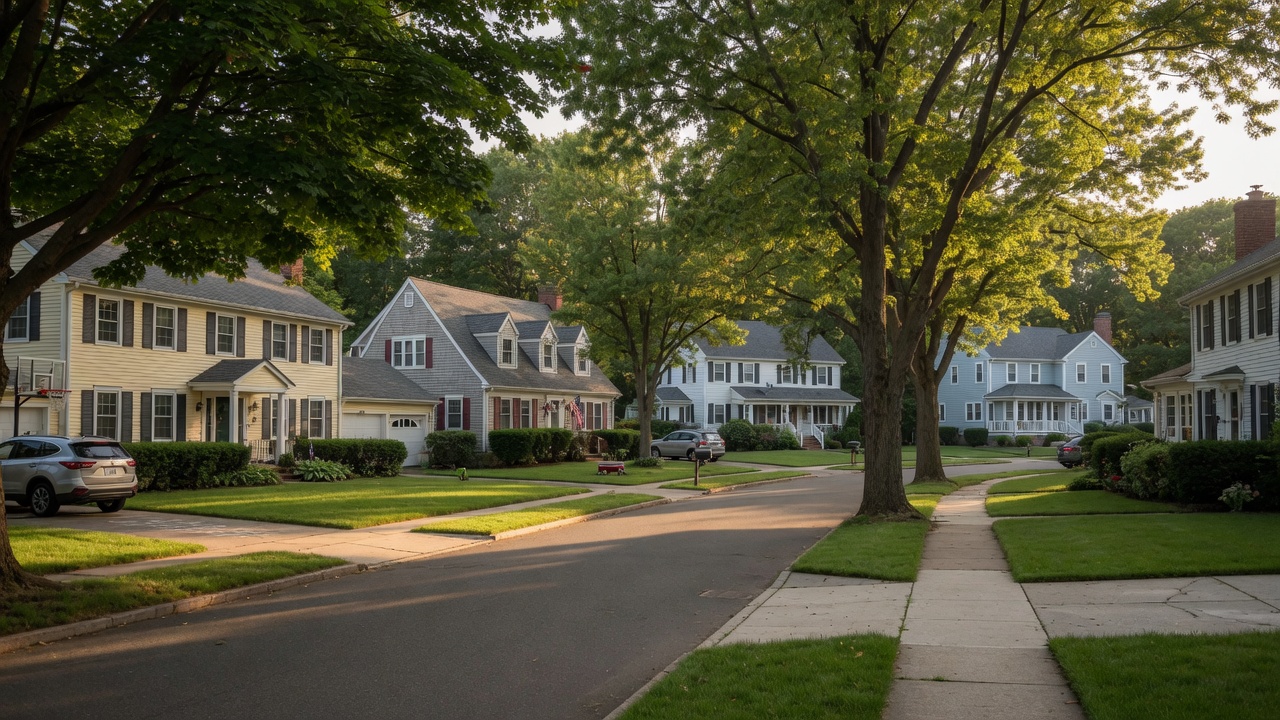
There's a reason Montclair keeps coming up in conversations about NYC-to-NJ relocations. It's one of the few suburbs that genuinely feels like a Brooklyn neighborhood transplanted into a leafy New Jersey setting — walkable downtown streets, indie coffee shops, a real arts scene, diverse restaurants, and a community that actually shows up for block parties and farmers markets. For NYC buyers who want to leave the city without leaving the lifestyle, Montclair is often the first place they look.
I've helped many buyers find their footing in Montclair, and what consistently impresses people is how much it offers. It's not a compromise — it's a different kind of upgrade. Here's what makes it special and why so many NYC buyers are choosing it.
What Makes Montclair Unique
Montclair occupies a sweet spot that's hard to replicate. It's big enough to have its own identity — a thriving downtown, multiple commercial districts, a world-class arts scene — but small enough to feel like a community where people know their neighbors. It sits in Essex County, bordered by Bloomfield, Glen Ridge, Verona, Cedar Grove, Little Falls, and Clifton, and it consistently ranks among the most desirable places to live in New Jersey.
Several things set it apart from neighboring towns:
- Walkable downtown areas: Unlike many NJ suburbs, Montclair has multiple walkable commercial districts — Watchung Plaza, Upper Montclair, Walnut Street, and the main Bloomfield Avenue corridor. You can actually walk to dinner, the bookstore, or a coffee shop from many Montclair addresses.
- Diverse, progressive community: Montclair is one of the most racially and economically diverse towns in New Jersey, with a strong tradition of civic engagement, environmental stewardship, and community activism. For many NYC buyers, this feels like a natural extension of the values they're used to.
- Architectural character: The housing stock is genuinely stunning. Victorian mansions, Tudor revivals, colonial estates, craftsman bungalows — Montclair's streets are lined with architecturally significant homes that you won't find in more cookie-cutter suburbs.
- Arts and culture: The Montclair Film Festival, the Montclair Art Museum, the Wellmont Theater, and a network of independent galleries, bookstores, and theaters make this a town where culture isn't an afterthought — it's part of the identity.
Key Neighborhoods and Price Ranges
Montclair is large and varied. Here's a rough breakdown of what to expect by area and budget:
- $550,000–$750,000: Smaller homes, condos, and townhomes, often near the edges of town or on busier streets. These are common entry points for first-time buyers and young families.
- $750,000–$1.2 million: The core of the Montclair market. Well-maintained colonials, expanded Capes, and Tudors in desirable neighborhoods near the downtown areas and train stations.
- $1.2 million–$2 million+: Larger estates, beautifully renovated Victorians, and premium properties in Upper Montclair, the South End, and the historic districts. Montclair has set record sale prices above $1.6 million in recent months.
- Upper Montclair: The most prestigious neighborhood, featuring grand estates on tree-lined streets near the Bellevue Avenue shopping district. Homes here regularly command $1.5 million and up.
- Watchung Plaza area: A trendy, walkable hub with easy access to restaurants, shops, and the Watchung Avenue train station. Popular with young professionals and families.
- The South End: A more affordable, up-and-coming area with a mix of housing styles and growing appeal.
The median home price in Montclair has risen significantly in recent years, reflecting the town's desirability. But there's still a range of options depending on where you look and what you're willing to compromise on.
School Options: Public, Private, and Charter
Families moving to Montclair are often drawn by its nationally recognized magnet school system — one of the most progressive and innovative public school models in the country.
Rather than attending a neighborhood school based on your street address, Montclair parents rank their choices from a list of elementary and middle schools, each with a specialized thematic curriculum. Options include STEM-focused programs, global studies, visual and performing arts, and environmental science. This lottery-based system was designed to promote integration and ensure that every student has access to high-quality, specialized education.
The result is a public school system that offers a level of choice and programming you'd typically only find in private schools — and it's free.
Montclair also has several well-regarded private schools, including Montclair Kimberley Academy (a K-12 independent school) and The Montessori School of Montclair. For higher education, Montclair State University sits at the northern edge of town and adds a college-town energy with its performing arts programs, athletic events, and cultural offerings.
Commute to NYC: Six Train Stations and Direct Bus Routes
This is where Montclair really shines for NYC commuters. The township has six NJ Transit train stations on the Montclair-Boonton Line — more than almost any other suburb in the metro area:
- Bay Street Station: Near downtown, with frequent service and direct weekday routes to Penn Station.
- Walnut Street Station: In the heart of a trendy strip with restaurants, a brewery, and the weekly farmers market.
- Watchung Avenue Station: A historic platform near charming boutiques and bakeries.
- Upper Montclair Station: Serving the Bellevue Avenue shopping district and the estate neighborhoods.
- Mountain Avenue Station: A quieter, leafy suburban platform.
- Montclair Heights Station: Near Montclair State University, at the northern end of town.
The direct train to Penn Station takes approximately 45–50 minutes, with midtown-direct service on weekdays. That means you can leave your Montclair platform and walk into Penn Station without transferring — a rarity for NJ suburbs.
For bus commuters, DeCamp Bus Lines and NJ Transit buses offer direct service from Bloomfield Avenue into the Port Authority Bus Terminal in about 40 minutes. Between trains and buses, Montclair offers some of the most flexible commute options in Northern NJ.
Dining, Nightlife, and Farmers Market Scene
Montclair's food and drink scene is arguably the best in Essex County — and it's one of the main reasons NYC buyers feel at home here. The town has an impressive density of restaurants, cafes, and bars spread across multiple walkable districts:
- Watchung Plaza: A mix of casual and upscale options, including local favorites for brunch, sushi, and Italian.
- Bloomfield Avenue: The main artery, packed with restaurants ranging from Ethiopian and Indian to farm-to-table American and classic delis.
- Upper Montclair: A quieter, more refined dining scene with wine bars, cafes, and neighborhood bistros.
- Walnut Street: Craft breweries, a popular farmers market (Saturdays, seasonally), and a growing food hall culture.
The Montclair Farmers' Market is a Saturday morning institution — local vendors selling fresh produce, baked goods, artisan cheeses, and prepared foods. It's the kind of scene that makes weekend mornings feel like an event, not a chore.
For nightlife, you'll find cocktail bars, live music at the Wellmont Theater, film screenings at the Montclair Film Festival, and a rotating calendar of community events that keep the social calendar full year-round.
Cost of Living: An Honest Assessment
Montclair is one of the more expensive suburbs in Essex County, and it's important to be upfront about that. Here's how the numbers break down:
- Housing: Median home prices have climbed above $1 million in recent months, with the broader range spanning $550K to $2 million+. Compared to NYC, you're getting significantly more space — a historic home with a yard for the price of a Manhattan one-bedroom — but it's not the cheapest suburb option in NJ.
- Property taxes: Montclair's property taxes are among the highest in the state, with annual bills often ranging from $14,000 to $25,000+ depending on assessed value. This is real money and needs to be part of your budget calculation.
- Daily expenses: Groceries, dining out, and services are generally comparable to Brooklyn — not cheap, but not Manhattan-level either.
- The offset: If you're leaving NYC, you'll eliminate the NYC income tax on your earnings (about 3.1%–3.9% for most brackets), and your housing costs will likely drop significantly. The net savings vary by situation, but for most buyers, the overall financial picture improves — especially when you factor in the equity you're building in a home vs. paying rent.
My honest take: Montclair isn't the budget move. It's a lifestyle move. You're paying for walkability, culture, transit access, school quality, and architectural character that you won't find together in many other places. If those things matter to you, the math usually works out. If you're purely optimizing for price, Bloomfield or Nutley might be better starting points.
The Bottom Line
Montclair has my heart — and not just because I sell real estate there. It's a town that manages to be culturally rich, architecturally beautiful, and genuinely community-oriented while still being a reasonable commute from Manhattan. For NYC buyers who want the best of both worlds, it's hard to beat.
The market moves fast here, and the right home in the right neighborhood can make all the difference. If you're considering Montclair, let me show you why it's worth a serious look. I'll walk you through the neighborhoods, explain the school system, and help you find a home that fits your life — not just your budget.
Montclair has my heart — let me show you why. I'd love to help you find the right home here.