Watsessing Park Area Development: What Bloomfield Homeowners Should Know
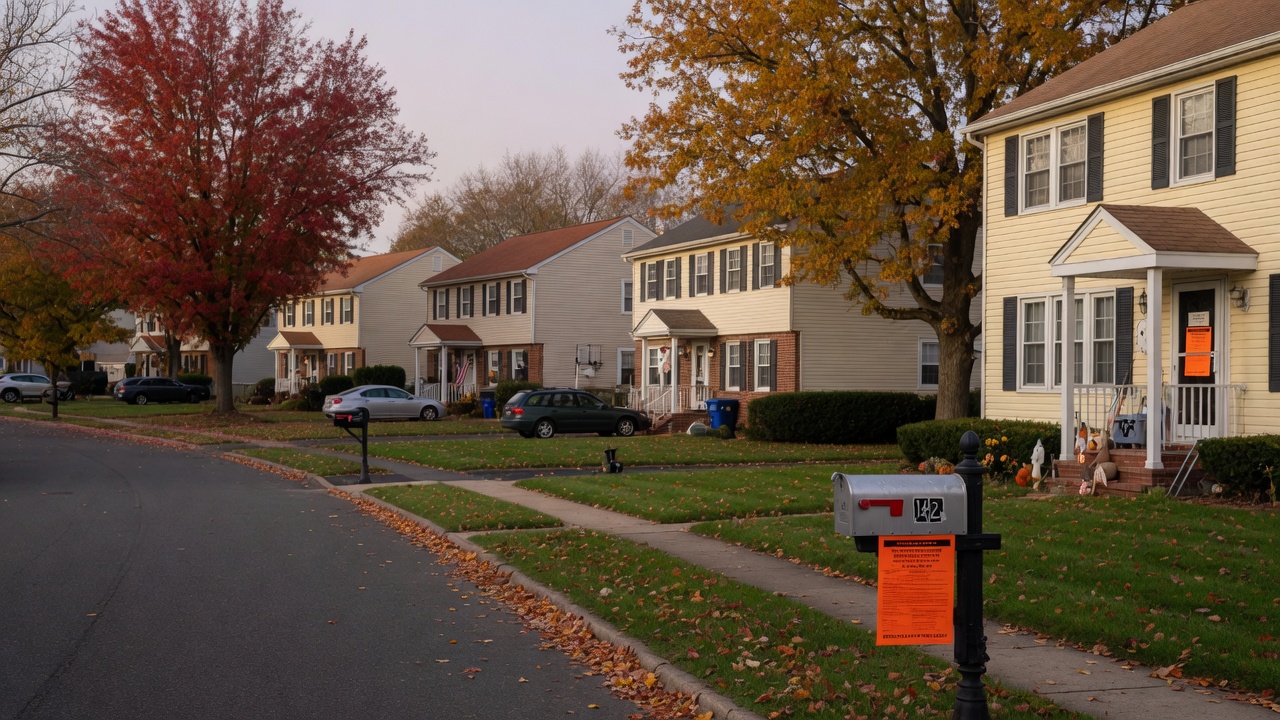
The Watsessing Park area in Bloomfield has been one of the most closely watched development zones in Essex County over the past several years. New residential permits have been granted near the park, and the conversation around growth, flooding, and green space preservation is one that matters — whether you already live in the area or you're thinking about buying there.
What's happening near Watsessing Park?
Bloomfield has been moving forward with transit-oriented development around the Watsessing train station area, and the results have been significant. Large residential complexes have been built in recent years, including projects with hundreds of units. The township has viewed this area as an opportunity to create a more walkable, transit-connected neighborhood — one that takes advantage of the NJ Transit train line and the proximity to Newark and New York City.
Recent permits have continued this trend, with new residential projects approved in and around the Watsessing neighborhood. For Bloomfield, this is part of a broader strategy to modernize the town's housing stock, attract new residents, and revitalize areas that were previously dominated by older industrial or commercial uses.
The flood zone question
Here's where it gets more complicated. Parts of the Watsessing neighborhood fall within FEMA-designated flood zone AE, which means those areas are considered to have a high risk of flooding. This isn't a theoretical concern — residents in certain sections near the park and surrounding streets have experienced actual flooding events over the years.
Any new construction in a flood zone is subject to both municipal zoning regulations and New Jersey Department of Environmental Protection (NJDEP) requirements. These rules mandate that new buildings in flood hazard areas meet specific standards, including elevated construction, flood-proofing, and stormwater management. Permits for development in these areas go through additional review to ensure compliance.
That said, the presence of flood zones hasn't stopped development. It's meant that builders need to meet higher standards — and it's something that any prospective buyer in the area should understand clearly.
Community perspectives: growth vs. preservation
The development near Watsessing Park has generated real conversation in the community, with reasonable people on both sides.
The case for development: Proponents point out that transit-oriented development is good urban planning. Building near train stations reduces car dependency, brings new residents and economic activity to the area, and helps Bloomfield meet the housing demand that's coming whether the town builds for it or not. New construction also adds to the tax base and can help revitalize areas that have been underutilized.
The case for caution: Critics worry about the loss of green space and the impact on an area that already has flooding issues. Adding hundreds of residents and impervious surfaces (parking lots, sidewalks, building footprints) near a flood zone raises legitimate questions about stormwater runoff and whether the infrastructure can handle the additional density. Some residents also feel that the pace of development has outpaced community input.
Both perspectives are valid, and the truth is that the outcome will depend on how well the town manages the balance between growth and environmental responsibility.
What this means for current and prospective Bloomfield homeowners
If you own a home near Watsessing Park, the development around you is going to change the character of the neighborhood to some degree. That's not necessarily bad — new investment and modern construction can raise property values and improve the area. But it's worth being aware of the flood risk, the traffic implications, and the long-term planning that's shaping your neighborhood.
If you're thinking about buying in the Watsessing area, I'd encourage you to do your homework. Here are some specific things to look into:
- Flood zone status. Is the specific property you're considering in a FEMA flood zone? If so, flood insurance is likely required, and it can add meaningfully to your monthly housing costs.
- Development pipeline. What's been approved nearby, and what's still pending? A property that's quiet today could be next to a construction site within a year.
- Infrastructure capacity. With more residents coming to the area, it's worth asking whether stormwater management, roads, and utilities are keeping pace.
- Property values. Development can be a net positive for values, but it depends on the specifics. Nearby high-density construction doesn't always translate to higher values for existing single-family homes.
The bottom line
The Watsessing Park area is in a period of transition. For Bloomfield homeowners and buyers, that means there are both opportunities and risks. Having good local information — and an agent who knows the area well — makes a real difference when you're making decisions in a neighborhood that's actively changing.
If you have questions about the Watsessing area, Bloomfield development, or how these changes might affect your home value, I'm always happy to talk through it.
Have a tip about local development?
I cover local real estate and development news across Bloomfield, West Orange, Montclair, and Essex County. If you hear about new construction, zoning changes, or neighborhood issues, I'd love to hear about it.